Textile insights
Fashion and clothing:
from fibres to finished garments in the modern wardrobe

Fabric fundamentals
Why cotton, linen and wool still dominate everyday clothing
Behind every t-shirt, shirt or coat lies a precise choice of fibre that shapes comfort, durability and drape. Cotton remains the workhorse of casual wear, while linen brings breathability to summer collections. Wool, from merino to tweed, continues to insulate winter garments. The yarn count, weave density and finishing treatment determine whether a fabric feels crisp, soft or structured.
Blended compositions have reshaped modern tailoring, mixing elastane with cotton for stretch jeans or polyester with viscose for wrinkle-resistant office attire. Each combination answers a specific functional demand while influencing the price tag and care instructions.

Four garment categories that structure any wardrobe
Beyond trends, clothing can be grouped into functional families that respond to specific moments, climates and dress codes, forming the backbone of a coherent personal closet.

Outerwear and layering pieces
Trench coats, parkas, denim jackets and knitted cardigans shield the body while anchoring the silhouette.

Tops and shirting essentials
Oxford shirts, cotton tees, poplin blouses and merino jumpers form the visible foundation of daily outfits.
Bottoms and tailored trousers
Chinos, straight-leg jeans, pleated trousers and midi skirts balance proportions and define overall posture.

Footwear and finishing accessories
Leather loafers, canvas sneakers, woven belts and silk scarves complete the ensemble with intention.
Craft of garments
How a garment moves from pattern sheet to finished piece
Every shirt collar, jacket lapel or trouser waistband begins as a two-dimensional pattern drawn around body measurements. Fabric is then spread in layers, cut according to the template and distributed to specialised sewing stations. Each operator handles one segment, whether attaching sleeves, setting zippers or topstitching hems. Quality inspection follows, examining seam alignment, button placement and overall symmetry before pressing.
Finishing steps often include washing to soften handfeel, enzyme treatments for vintage effects, or garment dyeing for uniform shade. The final label stitched inside carries composition and care symbols.
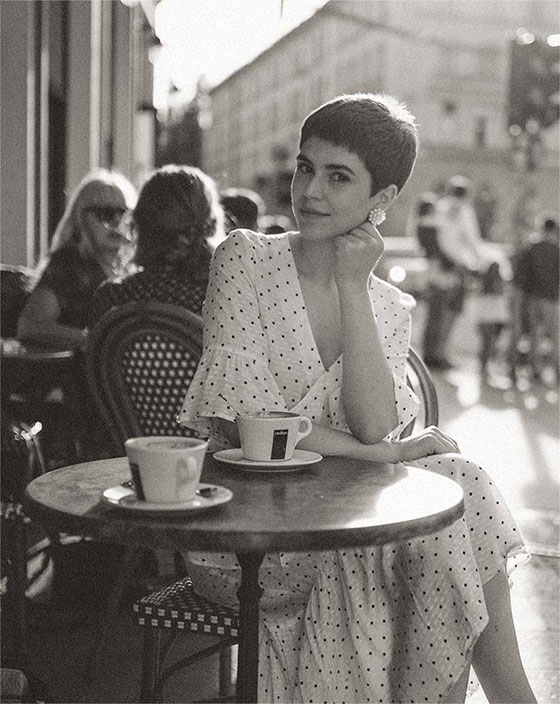
Dressing for the occasion: formal, smart-casual and leisure codes
A dark wool suit paired with a crisp white shirt signals formal expectations, while a blazer worn over a fine-knit polo and tailored chinos sits comfortably in smart-casual territory. Leisurewear relaxes further, embracing hoodies, joggers and relaxed denim. Reading the dress code of an event prevents stylistic missteps and reflects consideration for the context, whether a wedding ceremony, a business lunch or a weekend brunch with friends.
Colour palettes also carry meaning. Navy, charcoal and ecru convey restraint for professional settings, while terracotta, moss or mustard tones add warmth to weekend looks. Pattern mixing, from pinstripes to windowpane checks, requires attention to scale and contrast to keep the overall silhouette harmonious and visually balanced without clashing.
Three textile families reshaping contemporary clothing production
The materials industry now navigates between heritage fibres and innovative alternatives, each carrying distinct properties that influence how modern garments are designed, worn and maintained over time.
Natural fibres: cotton, linen, hemp and silk
Synthetic fibres: polyester, nylon and elastane
Recycled and plant-based alternatives
Wardrobe curation
Building a capsule wardrobe around versatile, interchangeable pieces
A well-edited closet rests on a limited number of garments that combine effortlessly across seasons and occasions. A navy blazer, a pair of straight jeans, a white button-down and leather ankle boots create dozens of outfits when paired thoughtfully. The idea is not to own less for its own sake, but to prioritise pieces with clean lines, neutral tones and construction quality that justify repeated wear.
Seasonal rotation keeps the system functional. Lightweight knits and linen trousers come forward in spring, while flannel shirts and wool coats take over as temperatures drop, maintaining visual coherence.